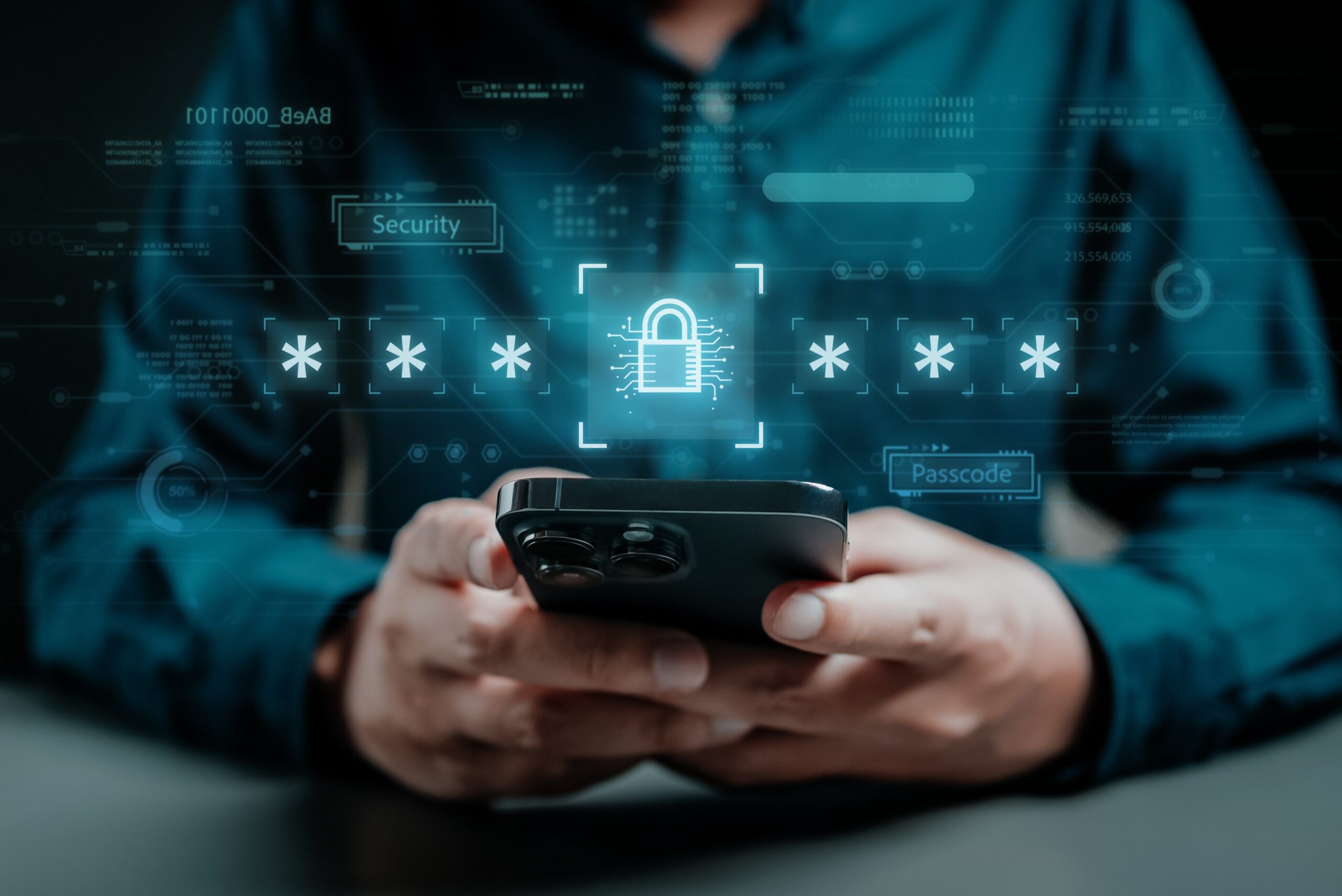
When a customer pays by card in a physical store, verification is built into the process. The PIN, the tap, the chip, all of these confirm the person paying is the legitimate cardholder. Online, none of that happens. The merchant receives card details but has no way to verify in that moment whether the person entering them actually owns the card.
This is the problem 3D Secure was designed to address. It adds an authentication step between a customer entering their card details and the payment being approved, giving the card issuer a chance to verify the cardholder’s identity in real time.
Key Takeaways
- What 3D Secure Is: A security protocol that adds an identity verification step to online card payments, confirming the cardholder’s identity before a transaction is approved.
- How It Works: The card issuer assesses the risk of each transaction. Low risk payments are approved silently, while higher risk ones prompt the customer to verify through their banking app or a one time passcode.
- How It Protects Merchants: Stolen card details alone are not enough to complete a transaction. 3D Secure adds a verification barrier that makes fraudulent card use significantly harder to execute.
- The Liability Shift: When authentication is successfully completed, fraud related chargeback liability moves from the merchant to the card issuer. This covers fraud disputes only, not product or service complaints.
What 3D Secure Actually Is
3D Secure authentication, used in Malaysia and globally, is a security protocol for online card payments. The name refers to the three domains involved in every transaction:
- The merchant (and their acquiring bank)
- The card network (Visa or Mastercard)
- The card issuer (the customer’s bank)
The protocol creates a secure communication channel across all three. It is the technology behind Verified by Visa and Mastercard SecureCode, brand names most Malaysian online shoppers will recognise.
The current version, 3D Secure 2 (3DS2), is a significant improvement over the original. It shares more transaction data with the card issuer, processes faster, and supports risk-based decisions that can approve low-risk transactions without any visible step for the customer.
How 3D Secure Works During a Transaction
Most customers never notice it happening. Behind the scenes, quite a bit takes place:
- The customer enters their card details at checkout.
- The payment gateway forwards the transaction data to the card network’s directory server.
- The directory server passes the request to the card issuer’s access control server.
- The issuer assesses the risk level based on the data received.
- Low risk: Authentication completes silently. The customer sees nothing and the payment is approved.
- Higher risk: A verification prompt appears, usually through the customer’s banking app or a one-time passcode, asking them to confirm the transaction before it goes through.
- Once the customer confirms, the payment goes through.
The silent route handles the majority of transactions. The customer checks out, the bank quietly verifies, and everything moves forward without friction.
How 3D Secure Protects Online Payments
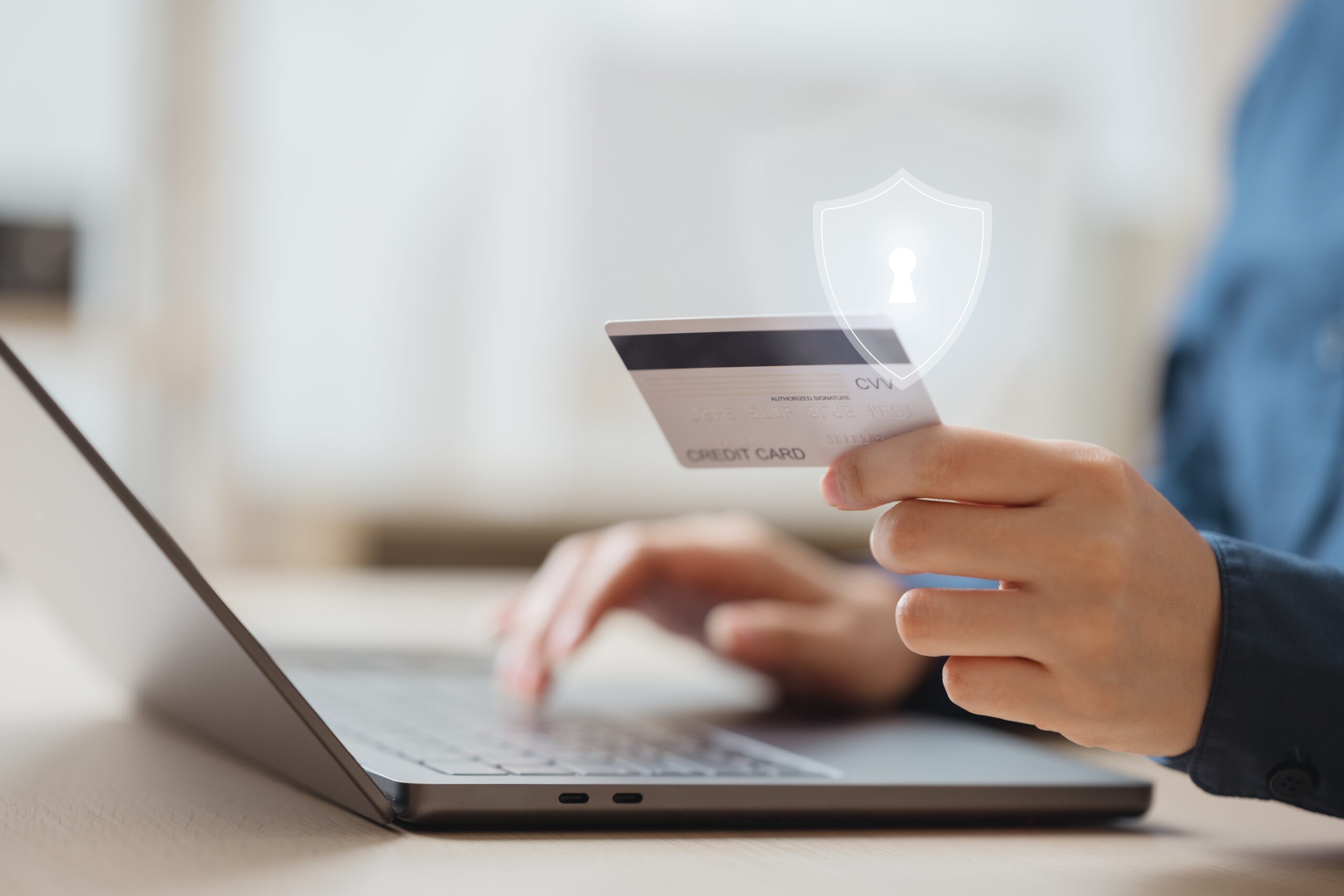
Think about what online card fraud actually looks like in practice. Someone gets hold of stolen card details through a data breach, a phishing scam, or buying them from somewhere they should not. They go to an online store, enter the numbers, and the order gets processed. The real cardholder notices the charge, disputes it, and the merchant reverses the payment. The goods are already gone.
3D Secure changes that equation in a few important ways:
- Stolen card details are no longer enough. To get past the OTP or banking app verification, a fraudster would also need access to the cardholder’s registered phone number or banking credentials. That combination is significantly harder to obtain.
- Authentication creates a paper trail. Every successfully authenticated transaction generates a documented record that the identity check was completed. If a chargeback dispute arises later, that record serves as relevant evidence that the merchant followed the correct verification process.
- It can deter fraud at the point of entry. The presence of an authentication step can reduce the likelihood of an attempt being made, as stolen card details alone are not sufficient to complete a transaction.
- It works alongside other protections. 3D Secure is one layer in a broader security stack that typically includes tokenisation, encryption, and real-time fraud monitoring. Together, these reduce the surface area for card fraud considerably.
The Liability Shift Explained
This is the part most merchants care about most, and for good reason.
Without authentication, fraud-related chargebacks sit with the merchant. A customer claims the transaction was not authorised, the bank reverses it, and the merchant absorbs the loss. It does not matter if the merchant did everything right. Without 3D Secure, the liability is theirs.
When 3D Secure authentication succeeds, that flips. The liability for fraud-related chargebacks moves to the card issuer. Visa handles this through Visa Secure; Mastercard through Identity Check. Both work on the same principle: if a transaction was properly authenticated and later disputed as fraudulent, the issuer carries the responsibility.
A few important things to understand here:
- The shift only applies to fraud-related chargebacks. Non-delivery claims, product disputes, and service complaints stay with the merchant regardless of authentication.
- Authentication must be fully completed for the shift to apply. An incomplete or attempted authentication does not count.
- Recurring payments and merchant-initiated transactions can follow different rules depending on the card network and the acquiring bank involved.
What This Means for Merchants
3D Secure for merchants in Malaysia comes down to managing two things: fraud losses and chargebacks. A single fraudulent transaction means the goods are gone, the payment gets reversed, and someone spends time sorting out the dispute. At volume, that is a real operational cost. Chargeback rates that push past card network thresholds can also trigger penalty fees or restrictions on card acceptance.
The good news is that most merchants do not need to think about the technical side of this. 3D Secure is built into compliant payment gateways and runs automatically on eligible card transactions. There is no separate integration to manage and no additional setup required on the merchant’s end. Choosing a payment gateway in Malaysia that businesses rely on and that supports 3D Secure 2 means the protection is already active the moment card payments go live.
It also matters from a customer trust perspective. When shoppers see that their bank is verifying a payment before it clears, it adds a layer of confidence to the checkout experience, particularly for first-time customers who are still deciding whether to trust a business with their card details.
Razorpay Curlec supports 3D Secure for card transactions. Explore Razorpay Curlec Payment Gateway to see how that security works in practice for your business.
Frequently Asked Questions About 3D Secure Authentication
Does 3D Secure reduce chargebacks for merchants?
Yes, for fraud-related chargebacks. When a transaction is successfully authenticated, the chargeback liability shifts to the card issuer. The merchant is no longer financially responsible if that transaction is later disputed as fraudulent.
Does 3D Secure slow down the checkout process?
For most transactions, no. Low-risk transactions are authenticated silently in the background with no visible step for the customer. Only higher-risk transactions prompt the customer to verify, which adds one step before payment is confirmed.
Do I need a developer to enable 3D Secure?
Not necessarily. Many payment gateways in Malaysia have 3D Secure built in and apply it automatically to eligible card transactions. No separate setup or developer is required when using a compliant provider.
Does 3D Secure work for all card types?
3D Secure applies to Visa and Mastercard transactions. It does not apply to FPX, e-wallet payments, or other non-card payment methods, as those use their own authentication processes.
Can 3D Secure stop all online card fraud?
No. 3D Secure significantly reduces the risk of unauthorised card use, but it is not foolproof. It works best as part of a broader security setup alongside tokenisation, encryption, and real-time fraud monitoring.