Ask a Malaysian SME owner about payment reconciliation and you will usually get one of two answers. Some will say it is just “matching payments to invoices”. Others will confess they do not really have a proper process at all. Both answers hide the same problem.
Reconciliation is where the real picture of your business finances comes together. When it is clean, you know exactly how much money came in, from whom, through which channel, and when it settled. When it is messy, everything downstream gets messy too. Cash flow forecasts become guesses. Tax filings take longer. Refunds go missing. And small errors end up costing real money.
The good news is that most reconciliation issues come from a handful of common mistakes, not complicated accounting problems.
Key Takeaways
- Reconciliation Matches Payments to Bank Deposits: Payment reconciliation is the process of matching what customers paid with what actually landed in your bank account.
- Manual Reconciliation Consumes Time: Most Malaysian SMEs underestimate how much time and error manual reconciliation creates, especially when payments come from multiple channels.
- Common Mistakes Lead to Inaccurate Records: Common mistakes include relying on spreadsheets, ignoring failed or partial payments, and treating settlement amounts as the same as transaction totals.
- Problems Often Surface Too Late: Reconciliation issues frequently remain hidden until tax season, audits, or unexplained cash flow gaps force a clean up.
- A Unified Dashboard Simplifies Reconciliation: A unified dashboard that consolidates FPX, cards, e-wallets, and DuitNow in one place turns reconciliation from a weekly chore into a real time view.
What Payment Reconciliation Actually Means
Payment reconciliation is the process of matching three things:
- What your customer paid
- What your payment provider recorded
- What actually hit your bank account
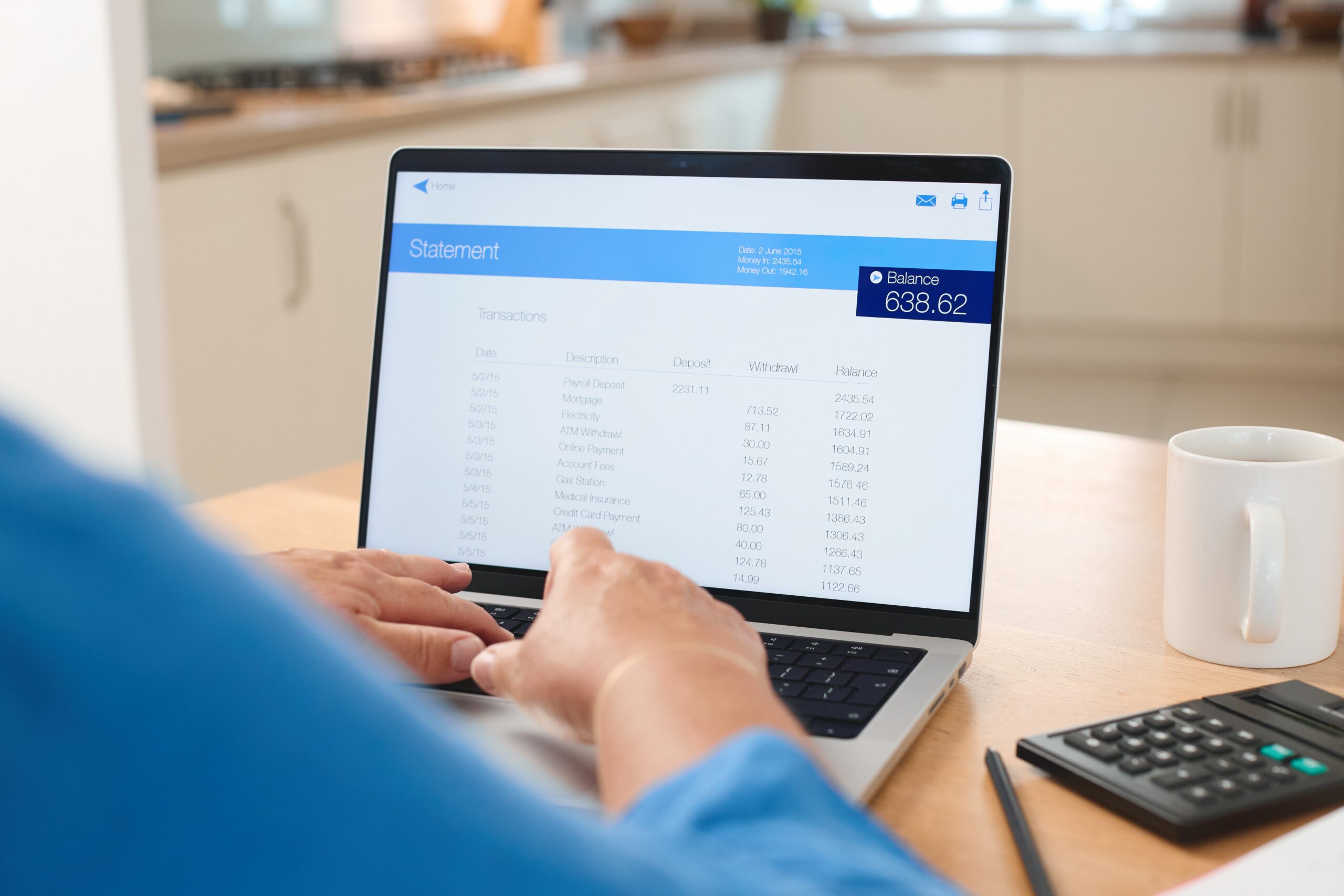
If all three line up, your books are accurate. If they do not, something has gone wrong, and finding it manually is where most SMEs lose hours.
In practice, a Malaysian SME deals with multiple versions of this for every transaction. A customer pays RM200 through FPX. The payment provider deducts a small fee. The bank settles the net amount a day later. Then a refund gets issued the following week. All of these need to match up before you can call a transaction “closed”.
Why SMEs Underestimate the Work Involved
Most owners focus on getting the sale, not what happens after. That is understandable. But this is also where the payment reconciliation problems Malaysian SMEs run into start to pile up.
A few reasons this happens:
- Reconciliation feels like back-office work, so it gets pushed to whoever has spare time.
- Spreadsheets are familiar and feel “free”, even though they hide a lot of manual effort.
- Errors usually surface weeks later, so there is no immediate pressure to fix the process.
- When things do break, the fix feels like a one-off rather than a signal to change the system.
The result is that reconciliation becomes invisible work. It takes time, it creates stress at month-end, and it quietly introduces mistakes that nobody notices until they matter.
The Most Common Reconciliation Mistakes Malaysian SMEs Make
Over time, the same handful of mistakes show up again and again:
- Treating settlement amounts as transaction amounts. A customer pays RM1,000. The bank receives RM985 after fees. If you record RM1,000 in your books, you have a RM15 mismatch that compounds with every transaction.
- Ignoring failed or partial payments. A payment starts but does not complete. The customer repays on a second attempt. If both attempts show up in your records, you end up chasing a payment that was never actually due.
- Mixing channels in one spreadsheet. FPX, cards, e-wallets, and DuitNow all have different settlement timings. Lumping them together makes the picture look messier than it is.
- Forgetting about refunds and chargebacks. Money that leaves your account after a transaction needs to be reconciled too. Many SMEs only track money coming in.
- Relying on memory for customer disputes. “Did we sort out that Ali case last month?” is a bad starting point for reconciliation.
None of these is unusual. They happen to almost every growing business at some point.
How Multi-Channel Payments Make Things Harder
Ten years ago, most Malaysian SMEs collected payments through one or two methods. Today, the average online business accepts FPX, credit and debit cards, multiple e-wallets, and DuitNow, sometimes all on the same checkout page.
Each method comes with its own quirks:
- FPX usually settles the next working day, but public holidays push that out.
- Card payments may have different settlement schedules depending on the acquirer.
- E-wallets can have their own cut-off times and fee structures.
- DuitNow transactions settle quickly, but the reporting sits in a different place.
When each channel produces its own report, reconciling online payments for SMEs becomes a stitching exercise rather than a review. Owners end up cross-checking between bank statements, gateway reports, and accounting software, and hoping nothing falls between the gaps.
Where Errors Quietly Build Up
Reconciliation errors rarely announce themselves. They hide until something forces a clean-up. Common moments include:
- Year-end tax filing, when every transaction suddenly needs to be accounted for.
- An audit or due diligence, where inconsistencies raise red flags.
- A supplier payment going wrong, which exposes a cash flow miscalculation.
- A customer dispute, where you need to prove what was paid and refunded.
By the time an error surfaces, it usually takes ten times longer to fix than it would have taken to record the first time properly. This is the hidden burden of business payment reconciliation for Malaysian SMEs, and most owners carry it without realising it.
What Good Reconciliation Looks Like in Practice
A well-functioning reconciliation process is predictable and low-maintenance. For most Malaysian SMEs, the right setup should include:
- Every transaction is recorded with a reference, amount, method, and customer details automatically.
- Settlement amounts matched to transaction amounts, with fees clearly accounted for.
- A single dashboard that shows which payments have cleared and which are still pending.
- Refunds and chargebacks are tracked in the same place as incoming payments.
- Reports that line up with what your bank statement and accounting software show.
When this is in place, reconciliation no longer needs to be a weekly task. It becomes a five-minute review at the end of each day.
How Malaysian SMEs Can Simplify the Whole Process
The shift from messy to clean reconciliation rarely comes from working harder. It usually comes from changing the tools.
A few practical moves that help:
- Consolidate payment channels into one provider where possible, so all reports come from one source.
- Use a dashboard that automatically matches transactions to settlements and flags mismatches.
- Connect your payment provider to your accounting software so records sync without manual entry.
- Review reconciliation daily instead of monthly, so small issues get caught early.
- Keep refund and chargeback tracking in the same system as incoming payments.
The aim is not to eliminate oversight. The aim is to remove the low-value work so you can actually focus on the numbers that matter.
Clean Up Reconciliation and Free Up Your Finance Time
Reconciliation is one of those tasks that rarely gets noticed when it works, and causes real pain when it does not. For finance teams that spend entire afternoons chasing mismatched figures, the real win is not just accuracy, but getting those hours back for work that actually moves the business forward.
That is where Razorpay Curlec changes the picture. Every FPX, card, e-wallet, and DuitNow transaction flows into a single dashboard, with settlements, fees, and refunds tracked alongside, and customisable reports ready whenever finance needs them. It means less time spent cross-checking line items and more time spent on the decisions the numbers should be informing.
Give your finance team the clarity they deserve. Explore Razorpay Curlec’s payment platform for businesses in Malaysia and reconcile with confidence.
Frequently Asked Questions About Payment Reconciliation Problems
What is payment reconciliation?
Payment reconciliation is the process of matching the money your customers paid with the money that actually settled in your business bank account, taking fees, refunds, and settlement timings into account. It ensures your financial records are accurate.
Why is payment reconciliation harder for Malaysian SMEs today?
Most Malaysian SMEs now accept multiple payment methods, including FPX, cards, DuitNow, and e-wallets. Each channel has its own settlement schedule, fees, and reports, which makes manual matching time-consuming and prone to error.
What are the most common payment reconciliation mistakes?
Typical mistakes include treating gross transaction amounts as net settled amounts, forgetting about refunds and chargebacks, mixing channels in one spreadsheet, and failing to track failed or partial payments.
How can automation help with reconciling online payments for SMEs?
Automation replaces manual matching with a dashboard that records every transaction, links it to its settlement, and flags any mismatches in real time. This reduces errors, saves hours of admin work, and gives you a clearer view of cash flow.