If you run a service business in Malaysia, you already know the quiet frustration of the unpaid invoice. The work is done. The client is happy. The invoice has been sent. And yet, payment sits somewhere between “we will process it soon” and the end of the month.
It is not always the client’s fault. In many cases, the invoicing process itself is where the delay starts. A PDF attached to an email can sit unopened for days. A bank transfer needs manual input and human memory. A finance team may only process invoices on certain days of the week. Each step between your invoice and the client’s payment adds friction, which slows cash flow for your business.
Digital invoicing changes that relationship. Instead of an invoice being a document the client needs to act on later, it becomes a document the client can pay from immediately. The shift is small on paper and significant in practice.
Key Takeaways
- Traditional Invoicing Slows Down Payments: Traditional invoicing often delays payment because customers must take multiple steps between receiving an invoice and actually paying for it.
- Digital Invoicing Simplifies Collections: Digital invoicing reduces this gap by letting customers pay directly from the invoice without switching apps or copying bank details.
- Service Businesses Benefit the Most: Service businesses benefit most from digital invoicing because their billing often involves retainers, milestones, or recurring client work.
- Faster Payments Improve Cash Flow: Faster payment collection improves cash flow predictability and cuts hours spent on follow ups and reconciliation.
- Adoption Can Start Small: Transitioning to digital invoicing does not require a full system overhaul and can start with one client or one project at a time.
Where the Payment Delay Actually Starts
Most invoice delays do not come from bad intentions. They come from the gap between receiving an invoice and actually paying it.
Think about what a traditional invoice asks a client to do. They receive the PDF in their inbox. They need to open it, note the amount, find the bank details, switch to their banking app, manually enter the reference number, input the amount, and confirm the transfer. Somewhere along that chain, the invoice slips from their mind or a more urgent task takes priority.
The more steps between seeing an invoice and paying it, the more opportunities there are for the payment to be delayed. Finance teams call this delay Days Sales Outstanding, or DSO, the average time it takes for money owed to you to actually land in your account. For service businesses, a high DSO means services have been delivered but the bank balance does not reflect it yet.
Digital invoicing shortens the chain. When an invoice includes a built-in payment option, the client can tap directly, and most of those friction points disappear.
The Digital Invoicing Benefits Malaysian Businesses Notice First
Most Malaysian businesses start to see the same digital invoicing benefits within the first few weeks of making the switch.
- Shorter payment cycles. Invoices that take days or weeks to clear through manual transfer tend to clear within hours when paid online.
- Fewer follow-ups. When the client can pay in one click from the invoice itself, the need for reminders and polite nudges drops sharply.
- Cleaner records. Digital invoicing platforms automatically track which invoices are paid, partially paid, or still outstanding, so nothing falls through the cracks.
- Professional presentation. A branded, instantly payable invoice signals to clients that the business takes its own operations seriously.
- Less admin for the finance team. No more matching bank transfer references to invoice numbers by hand.
The benefits are not just financial. Reducing the emotional load of chasing payments matters too, especially for small teams, where the person who did the work often has to follow up to get paid.
Why Online Invoicing Suits Businesses That Bill After Delivery
Any business that invoices after delivering work shares the same challenge: cash flow depends on how quickly the client acts on the invoice. This is where online invoicing for service businesses, agencies, and other delay-billed industries becomes especially useful.
Post-delivery billing tends to look like this:
- Retainer fees billed monthly for ongoing agency, consulting, or professional services
- Milestone invoices tied to project phases such as design approvals or development handovers
- Hourly or daily invoices for freelance, contract, and project-based work
- Staggered payment terms such as 50 percent upfront and the balance on completion
Each of these models depends on the client remembering to pay, acting on the invoice, and completing the transfer on their side. With digital invoicing, each of those scenarios becomes a tap-to-pay action rather than a manual back-office task. Retainers become a predictable income rather than a monthly reminder exercise. Milestone invoices are clear on the day of approval instead of the following week. The invoice becomes the payment itself.
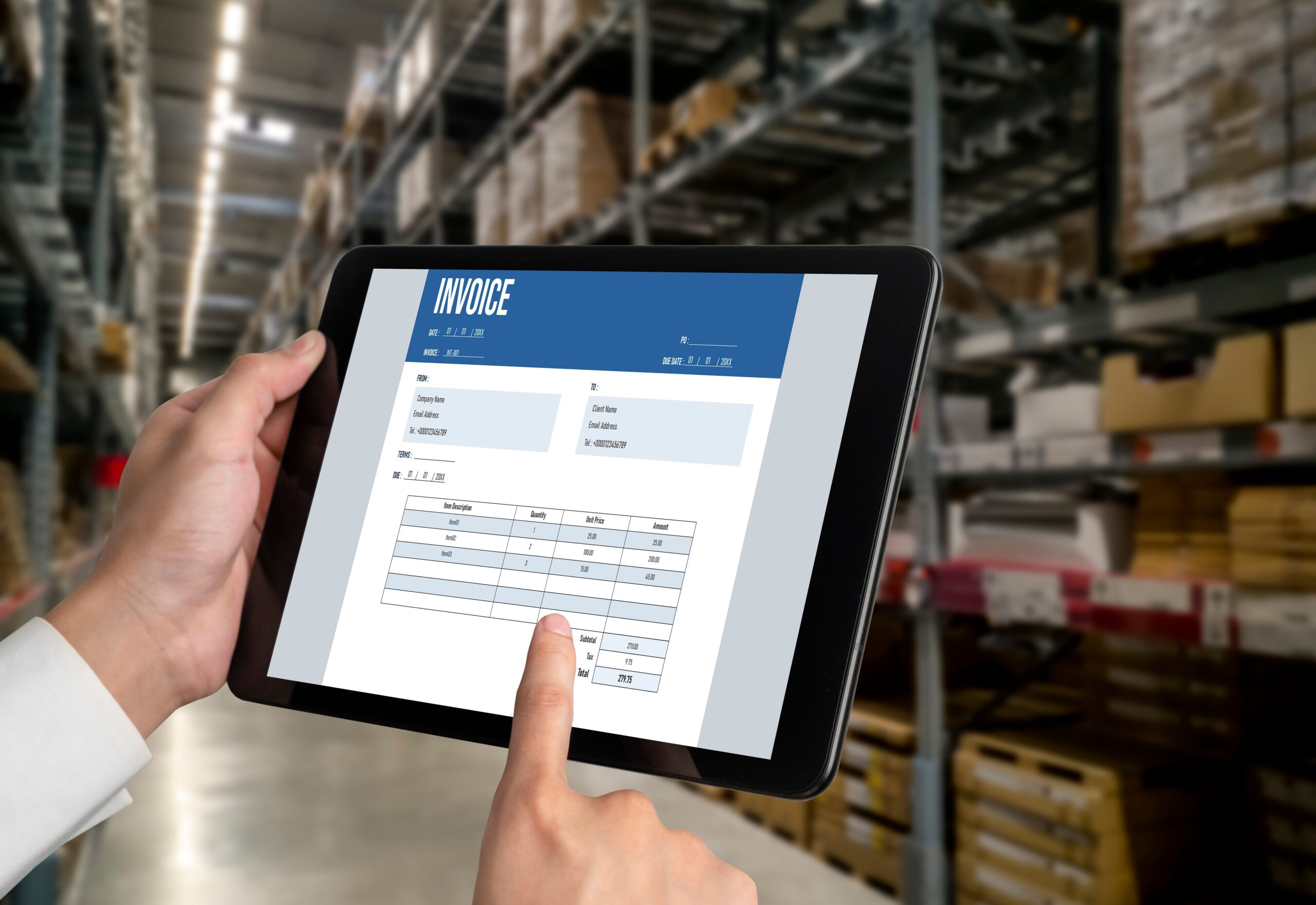
What Faster Payment Collection Through Invoicing Looks Like in Practice
It helps to see the difference side by side.
- Traditional workflow: A consultant sends an invoice for RM8,000 via email on a Friday. The client opens it on Monday, forwards it to finance on Tuesday, and finance processes payment on Wednesday. The money clears on Thursday. That is six working days after the invoice was issued.
- Digital invoicing workflow: The same consultant sends an invoice with a built-in payment link on Friday. The client opens it on Monday, taps the link, pays using FPX, and the payment clears the same afternoon. That is two working days.
Multiply that across every client and every invoice in a month, and the cash flow picture changes completely. This is what faster payment collection through invoicing actually means in the real world. It is not a marketing promise. It is the direct result of removing the manual steps between the invoice and the payment.
How to Transition From Manual to Digital Invoicing
The good news is that digital invoicing does not require replacing your entire finance system. A digital invoice with a built-in payment link for business owners is often all it takes to start seeing faster payments, and most teams can begin with just one client.
A simple starting approach:
- Pick one client to try it with. Ideally, a long-term client who pays on schedule, so you can see the difference clearly.
- Use a template for recurring invoices. Retainer clients in particular benefit from standardised invoices issued on the same date each month.
- Enable multiple payment methods on the invoice. FPX, cards, and e-wallets allow the client to pay however suits them best.
- Schedule follow-up reminders for overdue invoices. A polite nudge at around 7 days and 14 days past due keeps the follow-up process consistent without adding to your daily admin.
- Review the timing after one month. Compare how long invoices took to clear before and after. The numbers usually speak for themselves.
From there, rolling the same approach out across all clients takes less effort than most business owners expect.
Your Invoice Should Be the Last Step, Not the First
The best thing a business can do for its cash flow is stop treating the invoice as the beginning of a collection process. An invoice should be the finishing line, not the starting gun. The moment it reaches the client, the payment should be one tap away.
Razorpay Curlec Invoices are built around that idea. Every invoice you send from the dashboard comes with a built-in payment option, letting clients settle in one tap using FPX, cards, e-wallets like Touch ‘n Go eWallet, GrabPay and Boost, or DuitNow QR. Partial payments, tax-compliant fields, reusable templates for recurring clients, and instant notifications when an invoice is paid are all included out of the box.
Make every invoice instantly payable with Razorpay Curlec’s payment gateway, and turn every send into a potential same-day payment.
Frequently Asked Questions About Digital Invoicing for Businesses
What is digital invoicing and how is it different from a normal invoice?
Digital invoicing is an invoice that includes a built-in payment option, allowing the client to pay directly from the invoice without manually transferring funds. A normal PDF invoice, by contrast, requires the client to leave the invoice, switch to their banking app, enter the reference number, and complete the payment themselves.
How does digital invoicing help reduce late payments?
It removes the steps between seeing the invoice and paying it. When a client can pay in one tap from the invoice itself, the chance of the payment being forgotten or delayed drops significantly.
Is digital invoicing suitable for small businesses and freelancers in Malaysia?
Yes. Digital invoicing is particularly useful for small teams and freelancers because it reduces the admin time spent chasing payments and keeps receivables organised without needing dedicated finance staff.
Can digital invoices handle partial payments?
Yes. Modern digital invoicing platforms support partial payments, allowing clients to pay a portion of an invoice upfront and the remainder later, which is particularly useful for milestone billing and staggered service contracts.
What payment methods can be included on a digital invoice in Malaysia?
Most Malaysian customers expect FPX, credit and debit cards, major e-wallets such as Touch ‘n Go eWallet, GrabPay, and Boost, and DuitNow QR. Offering all of these within the same invoice gives clients flexibility and increases the likelihood of immediate payment.