For the owner of a 20-person logistics firm, the first week of January 2026 brought more than the usual start-of-year admin. Her business had just entered Phase 4 of Malaysia’s mandatory e-invoicing rollout, and every B2B sale above RM10,000 now required a validated e-invoice before the sale could be completed. But what’s most surprising is how the change rippled into her cash flow.
Malaysia’s Lembaga Hasil Dalam Negeri (LHDN) introduced Malaysia e-Invoicing for SMEs to modernise tax reporting. For businesses in the RM1 million to RM5 million turnover band, though, the shift does affect when money arrives and how invoices are tracked. There is a 12-month adjustment period through December 2026, but waiting is rarely the right move, as businesses using this window well are already planning how validated invoices connect to their payment collection.
This is what most Phase 4 merchants have not yet worked through. Fortunately, if you’re in that precise situation, our digital invoicing guide in Malaysia is here to help you understand where the new workflow adds friction and where it creates openings to get paid faster.
Key Takeaways
- Phase 4 Has Started: Malaysia’s Phase 4 e-invoicing began on 1 January 2026, covering businesses with an annual turnover of up to RM5 million.
- Relaxation Runs Until End 2026: A 12-month relaxation period runs through 31 December 2026, with full penalty enforcement starting on 1 January 2027.
- Validation Changes Cash Flow Timing: The new workflow inserts a validation step before invoices can be legally issued, which shifts the timing of when receivables convert to cash.
- Large B2B Transactions Need Individual E-Invoices: Single B2B transactions of RM10,000 or more require individual e-invoices, with consolidation not permitted.
- Digital Payments Can Speed Up Receivables: Pairing validated e-invoices with a digital payment collection method turns the compliance shift into faster receivables.
What Phase 4 E-Invoicing Means for Malaysian SMEs
Phase 4 took effect on 1 January 2026, covering taxpayers with an annual turnover of up to RM5 million based on FY2022 figures, with LHDN confirming this timeline in its official update on 7 December 2025. Businesses with an annual turnover below RM1 million remain exempt, provided they are not part of a larger related group.
Beyond the mandatory start date, there is a 12-month relaxation period running through 31 December 2026. During this window, SMEs can issue consolidated e-invoices with general descriptions, and no penalties apply for non-compliant submissions. Full enforcement begins on 1 January 2027, when penalties under Section 120 of the Income Tax Act 1967 apply; businesses can be fined between RM200 to RM20,000 per non-compliant invoice.
Still, there is one rule that holds firm throughout 2026: any single transaction worth RM10,000 or more requires its own e-invoice, and no consolidation is allowed. For B2B sellers serving commercial clients, that covers a meaningful share of monthly receivables.
How Digital Invoicing Reshapes Your Cash Flow Cycle
Under the old model, a business issued an invoice, sent it to the customer, and waited for payment.
Now, how e-invoicing affects business cash flow is that an invoice now goes from your accounting system to LHDN’s MyInvois Portal first. LHDN validates it, returns a unique identification number and a QR code, and only then can the invoice be legally issued to the customer.
Validation is usually quick, often under 72 hours, though it might take longer sometimes due to rejections and system errors. For receivables, this shift adds a small front-loaded delay. Fortunately, a validated e-invoice is an enforceable, government-recognised record, which means fewer disputes over legitimacy and fewer reasons for customers to delay payment.
The clearer tax trail also means tighter visibility into who owes what. In practice, your finance teams gain real-time records for every qualifying sale, allowing them to chase overdue accounts with confidence and accuracy.
The Cash Flow Pressures Phase 4 SMEs Often Overlook
Software upgrades and portal access are the main concerns for many, but so are the cash flow pressures that come with e-invoicing, especially for Malaysian SMEs.
Implementation has a cost, where integrating accounting platforms with MyInvois, training finance staff, and testing workflows takes time that is hard to spare mid-year. However, the MSME tax deduction provides up to RM50,000 per year of assessment for qualifying implementation spend, available from YA 2024 to YA 2027 under Budget 2024 provisions.
Rejections are another overlooked risk. An invoice rejected by LHDN cannot be sent to the customer until the data is corrected and resubmitted, and each rejection extends the collection cycle. For merchants operating on tight cash conversion timelines, even a two-day delay per invoice compounds quickly across hundreds of transactions.
Turning Compliant E-Invoices into Faster Payments
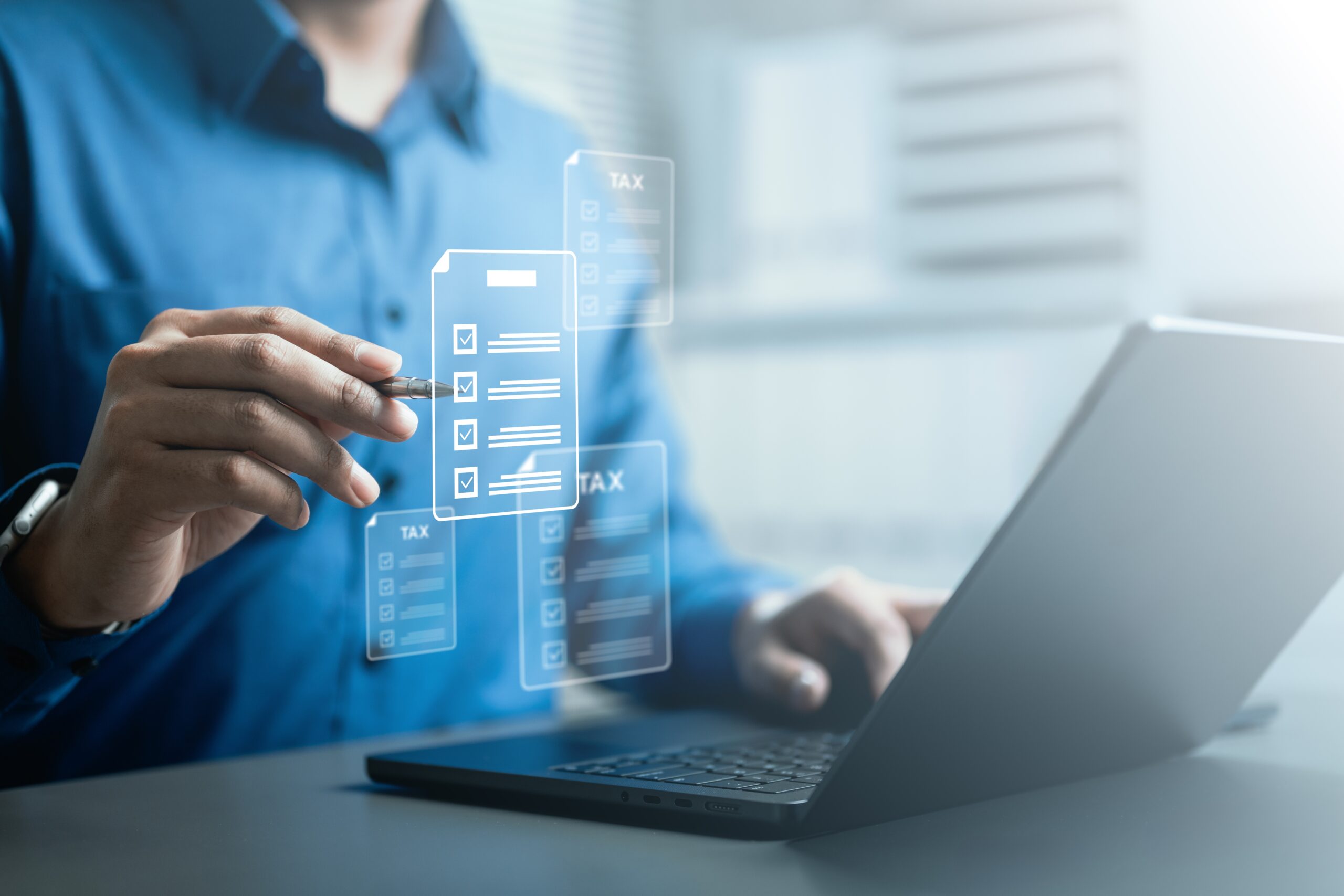
Compliance and cash flow do not have to pull in opposite directions. A validated e-invoice is ready to carry a payment link, a QR code, or an embedded checkout directly to the customer. Instead of the customer manually transferring funds and sending a screenshot as proof, payment is processed within the same flow as the invoice.
This is where the payment collection layer becomes valuable. When your invoices are paired with a payment system that accepts FPX, credit and debit cards, and major e-wallets, customers pay using whichever method suits them. Funds are deposited into your account quickly, and the transaction is automatically recorded against the matching invoice.
If you’re a Phase 4 SME, this is a great opportunity to shorten collection times and reduce manual work chasing payments during this shift to e-invoicing.
Using the 2026 Relaxation Period Well
The relaxation period lasts twelve months, but preparation, testing, and staff training can quickly compress that window. If you’re just starting to prepare, it’s best to conduct a workflow audit before getting to tools.
- Map every step of your order process, from order to invoice to payment.
- Identify where manual entry exists and where integration would help.
- Confirm that your accounting or ERP software supports MyInvois integration, either via native APIs or a middleware provider.
- Run test submissions during the grace period using real or sandbox transactions to reveal rejection patterns before they become urgent.
As you test and audit your process, review your payment-collection workflow alongside your invoicing workflow. An invoice is only useful when it gets paid, so align both from the start to prevent any costly reworks once enforcement begins in January 2027.
Get Your E-Invoicing and Cash Flow Working Together
Phase 4 changes how invoices move, how they are tracked, and how quickly payments can be collected. The relaxation period gives Malaysian SMEs room to adjust, and the businesses that plan for compliance and collections side by side during 2026 are the ones that will start 2027 with stronger cash flow.
If you’re eager to get ahead of the curve, Razorpay Curlec is here to help you see a smoother transition. Regulated by Bank Negara Malaysia and a PayNet member, we are a PCI DSS Level 1-compliant platform built for local businesses, with our Malaysia online payment gateway accepting FPX, credit and debit cards, and leading e-wallets. We also offer real-time settlement reporting and automated reconciliation, keeping your e-invoice records aligned with incoming payments without manual matching.
Ready to Simplify E-Invoicing and Payments?
Sign up today and pair your validated invoices with Razorpay Curlec’s Malaysia online payment gateway for both compliance and quicker receivables, designed to support SME cash flow.
Frequently Asked Questions About e-Invoicing in Malaysia
What is the RM10,000 rule in e-invoicing?
Any single transaction valued at RM10,000 or more requires its own individual e-invoice. Consolidation is not permitted for these transactions, even during the relaxation period. The rule applies to all businesses covered by the e-invoicing mandate.
What are the penalties for non-compliant e-invoicing?
Under Section 120 of the Income Tax Act 1967, LHDN can impose fines ranging from RM200 to RM20,000 per non-compliant invoice once the relaxation period ends in January 2027.
Can SMEs claim tax deductions for e-invoicing setup costs?
Yes. MSMEs can claim a tax deduction of up to RM50,000 per year of assessment for qualifying e-invoicing implementation expenditure, available from YA 2024 to YA 2027 under Budget 2024 provisions.