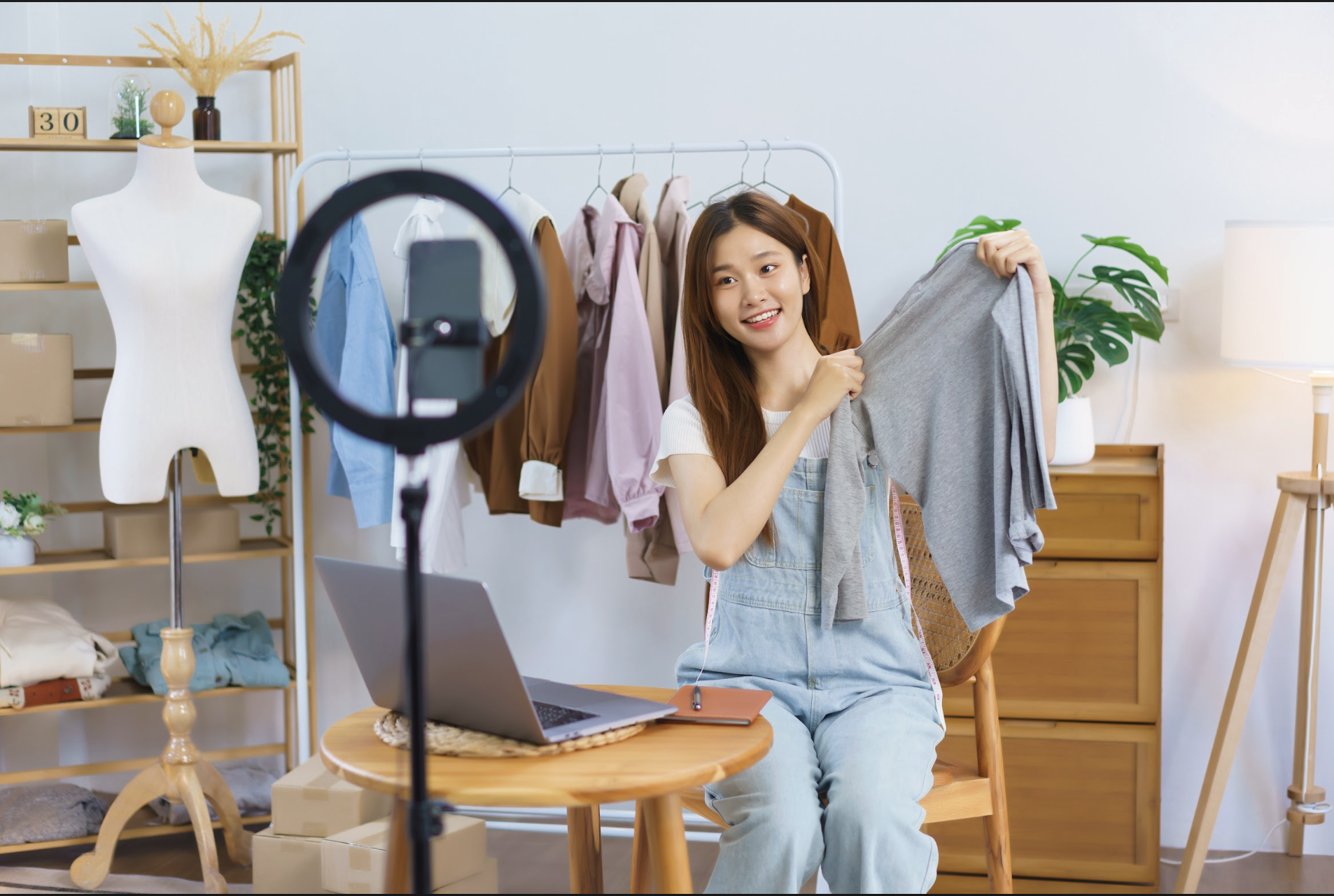
Selling on Instagram and TikTok in Malaysia has never been more active. Fashion sellers post reels, beauty brands run live sales, home bakers take orders through DMs, and food sellers close deals in comment sections. The content part has become second nature for most. The payment part, not so much.
Most social sellers are still collecting payments the same way they always have. They share a bank account number, wait for a transfer, and hope the screenshot the customer sends is real. It works at small volumes, but it creates problems that compound as the business grows. Payment links offer a faster and more secure way to close a sale, within the same channels where the conversation is already happening.
Key Takeaways
- What Social Commerce Looks Like in Malaysia: Instagram and TikTok have become active selling channels for Malaysian SMEs, with sales happening in DMs, comment sections, and live streams rather than on websites.
- The Payment Problem: Most social sellers still rely on manual bank transfers, which create reconciliation headaches, fake screenshot risks, and no automatic payment records.
- What Payment Links Do: A payment link takes the customer to a secure checkout page where they can pay using FPX, cards, or e-wallets. The seller gets automatic confirmation and no bank details are shared.
- How It Works on Each Platform: Payment links can be placed in Instagram bios, sent via DM, added to TikTok link-in-bio, or shared after a live sale. No website or developer required.
- Why It Matters at Scale: As order volume grows, manual payment collection becomes unsustainable. Payment links automate confirmation, reconciliation, and record-keeping from day one.
How Malaysian Sellers Are Using Instagram and TikTok to Sell
Social commerce in Malaysia has moved beyond posting product photos. The common selling patterns look like this:
- Instagram sellers use Stories, Reels, and DMs to showcase products, take orders, and confirm purchases directly in the chat.
- TikTok sellers run live streams where customers comment to reserve items, with payment collected after the live session ends.
- Both platforms close sales through conversation, without a website or formal checkout page.
The sale closes in a chat. A customer sees a product, asks a question, confirms the order in the DMs, and then payment is requested. At the final step, most sellers send a bank account number and ask the customer to make a transfer. This is where the process breaks down.
The Payment Gap in Social Commerce
Manual bank transfers work at low volume. As order volume grows, the problems multiply:
- Fake screenshots. Payment confirmation screenshots are easy to edit. A seller who fulfils an order based on a fake screenshot loses both the goods and the payment.
- No automatic tracking. Every transfer has to be manually matched to an order. For a seller managing twenty or thirty orders a day across Instagram and TikTok, this becomes a serious time commitment.
- Bank details shared in chats. Every time a seller shares their account number in a DM, that information sits in the customer’s chat history indefinitely with no control over what happens to it.
- Customers dropping off. Asking a customer to open their banking app, type in an account number, transfer the exact amount, and send a screenshot adds friction at the final step. Some customers will not follow through.
What Payment Links Are and How They Work
A payment link is a URL that takes the customer to a secure checkout page. The seller generates it from a payment provider dashboard, sets the amount and a short description, and shares the link wherever the conversation is happening.
For social sellers in Malaysia, payment links support the full range of payment methods customers use across social media, including:
- FPX for direct bank transfers through the customer’s banking app
- Visa and Mastercard credit and debit cards
- Touch n Go eWallet, GrabPay, and Boost
- DuitNow QR
The seller never shares a bank account number. The customer never has to type one in manually. Every transaction is automatically recorded in a dashboard, so reconciliation happens without manual effort.
Payment Links for Instagram Sellers in Malaysia
For Instagram sellers in Malaysia, payment links fit naturally into how sales already happen on the platform. Here is how sellers use them:
- In DMs. After a customer confirms their order in a direct message, the seller generates a payment link for that specific order and sends it in the same chat. The customer taps the link, pays, and the seller receives confirmation. The entire interaction stays within Instagram.
- In the bio link. For sellers with a fixed-price product, a payment link can sit permanently in the Instagram bio. A caption directs customers to the link in bio to order, and payment is collected without any back-and-forth.
- In Stories. A link sticker in an Instagram Story can lead directly to a payment page for a featured product. Customers who see the Story can tap through and pay immediately, without needing to DM first.
The result is a faster path from interest to payment, with less friction for the customer and less manual work for the seller.
How TikTok Sellers Collect Payments With Payment Links
TikTok presents a slightly different selling dynamic. Sales often happen during live streams, where customers comment to reserve items and payment is collected after the session ends.
In Malaysia, TikTok sellers have a few practical ways to collect payments through payment links:
- After a live sale. Once a customer reserves an item in the comments, the seller follows up in the DMs with a payment link specific to that order. The customer pays through the secure checkout page and the seller gets automatic confirmation before processing the order.
- Via link in bio. TikTok allows one clickable link in the profile bio. A seller can use this to link to a payment page for their most popular product or a current promotion, turning profile visitors into paying customers without requiring any DM.
- In video captions. Sellers can direct customers to the bio link in their video captions or on-screen text, creating a path from content to purchase without a private conversation.
For sellers running high-volume live sales, payment links eliminate the need for screenshot confirmations. Every payment is logged automatically, so the seller can track who has paid without checking a bank statement.
Getting Started With Payment Links as a Social Seller
Social selling in Malaysia is growing quickly, and the businesses that scale are the ones that get the operational side right early. Payment collection is one of the first things that needs to work properly, not just for the seller, but for the customer experience too.
As order volumes grow, having a reliable, professional way to collect payment makes a meaningful difference in how a business runs and how customers perceive it.
Getting paid should be as easy as making the sale. With the right tools in place, that is exactly what it becomes. Grow your social commerce business the smarter way with Razorpay Curlec today.
Frequently Asked Questions About Payment Links for Social Sellers in Malaysia
How are payment links better than asking customers to bank transfer?
Payment links remove several problems at once. The seller’s bank details are never shared, fake payment screenshots are eliminated since confirmation is automatic, every transaction is recorded in a dashboard, and the customer experience is faster and simpler.
What if a customer pays the wrong amount?
Payment links are pre-set with a specific amount, so the customer pays exactly what is stated. The risk of a wrong amount is eliminated compared to manual bank transfers.
Can I send multiple payment links to different customers at the same time?
Yes. Each link is generated separately for each order. You can create and send as many links as needed simultaneously.
What happens if a customer does not pay before the link expires?
The link becomes inactive and the customer will not be able to complete the payment. The seller can generate a new link and resend it.
Will switching to payment links affect how my existing customers pay?
For most customers, the experience becomes simpler. Instead of manually transferring to a bank account, they click a link and choose how they want to pay. Most customers adapt quickly.