When a customer enters their card details at an online checkout, those sixteen digits pass through multiple systems before the payment is approved. At each stage, there is a potential point of exposure. A stolen card number, even one intercepted mid-transaction, can be used to make fraudulent purchases elsewhere.
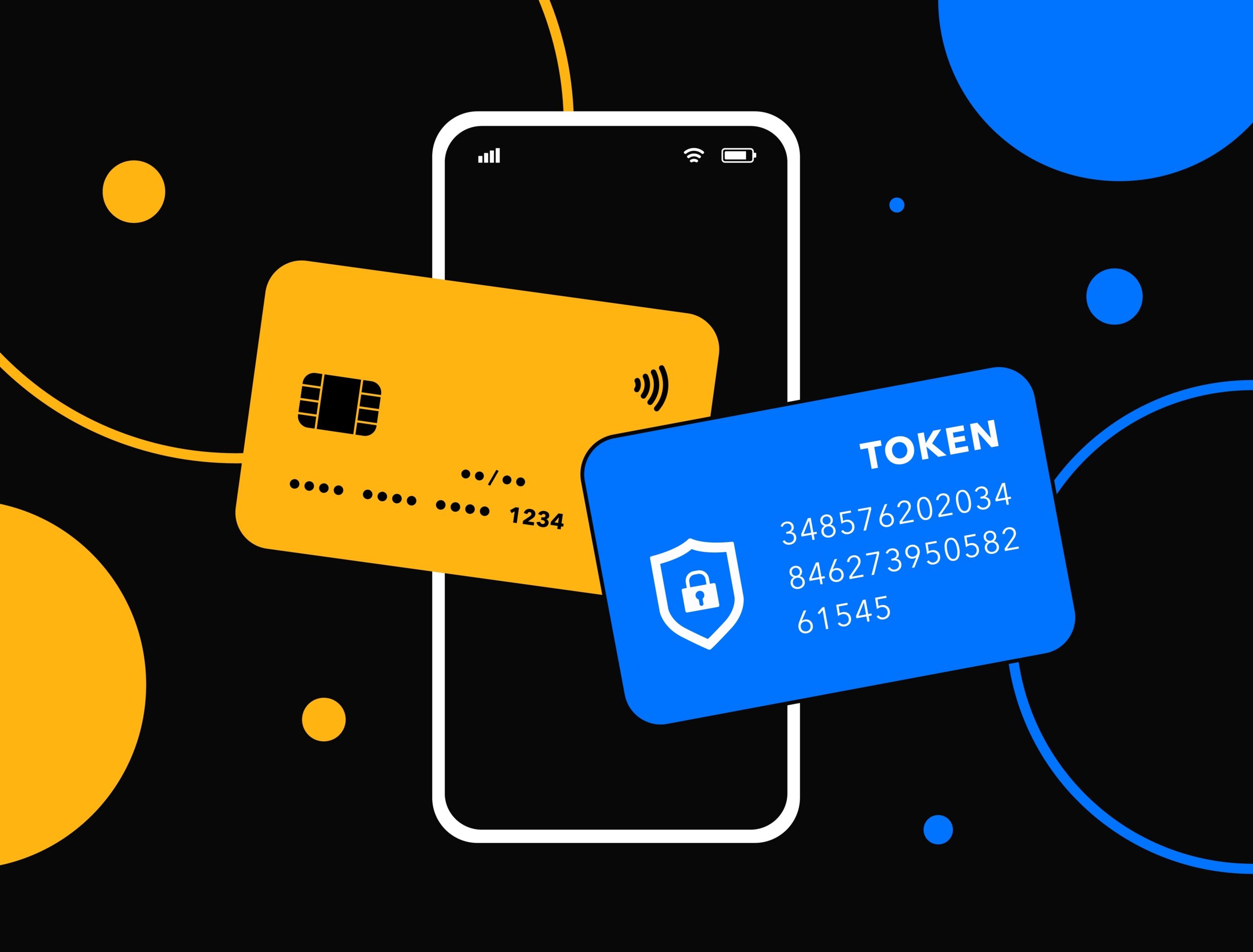
Tokenisation addresses this directly. Real card data is never the thing being passed around. What gets shared instead is a substitute that looks like a card number but carries no usable value on its own.
Key Takeaways
- What Tokenisation Is: Tokenisation replaces a customer’s actual card details with a unique, randomly generated token that has no usable value outside the payment system.
- How It Protects Payments: Even if a data breach occurs, stolen tokens cannot be reversed to reveal real card numbers, making them worthless to fraudsters.
- What It Means for Businesses: Businesses using a tokenisation enabled provider never store or handle raw card data, which reduces their security liability and simplifies compliance.
- How It Benefits Customers: Returning customers can pay faster without re entering card details because the token securely represents their card on file.
- Why It Matters in Malaysia: As online transactions grow, tokenisation is one of the key protections underpinning secure card payments and building customer trust in digital commerce.
What Tokenisation Actually Means
Explained simply, payment tokenisation in Malaysia is the process that keeps real card data out of a merchant’s systems entirely. A customer’s card number is replaced with a unique, randomly generated identifier called a token. This token represents the original card number within a specific payment system, but it cannot be reversed or decoded to reveal the actual card details.
Think of it like a coat check system. You hand over your coat, receive a numbered ticket, and that ticket is what gets used to retrieve your coat later. The ticket on its own is useless to anyone who does not have access to the coat check. In this analogy, the coat is your card number. The ticket is the token.
A token might look like a sixteen-digit number, but it is mathematically unrelated to the original card data. Without access to the secure token vault maintained by the payment provider, it cannot be used to make a transaction or identify the cardholder.
How Tokenisation Works in a Payment
When a customer pays online, the process happens in seconds but involves several steps:
- The customer enters their card details at checkout.
- The payment gateway immediately replaces the card number with a token.
- The token, not the card number, is what passes through the merchant’s systems.
- The actual card data is stored securely in the payment provider’s token vault.
- When the transaction is authorised, the token is matched to the real card number only within the vault, not on the merchant’s side.
The merchant never sees or stores the raw card number. If their systems were breached, the attacker would only find tokens, which are worthless without access to the vault.
For returning customers, the same token can be used for future transactions. This powers one-click checkout and subscription billing, so the customer does not need to re-enter their card details each time.
The Security Benefits of Tokenisation
Understanding how tokenisation protects online payments starts with a simple principle: data minimisation. By ensuring that real card data never touches the merchant’s systems, it removes the most valuable target from any potential breach.
Consider what happens in a typical card data breach without tokenisation. Fraudsters gain access to stored card numbers and use them to make purchases, sell them on the dark web, or build fake identities. With tokenisation in place, what they get instead is a string of characters that cannot be used anywhere outside the original payment system.
Beyond breach protection, tokenisation also supports:
- Safer recurring payments: Subscription businesses can bill customers on schedule without storing actual card numbers between transactions.
- Reduced fraud exposure: Since tokens are specific to a merchant and transaction context, a stolen token cannot be used at a different merchant.
- Faster checkout for returning customers: Saved card experiences are powered by tokens, not stored card numbers, making them both convenient and secure.
What This Means for Malaysian Businesses
For most Malaysian businesses, tokenisation works in the background through their payment provider. They do not configure it manually. The protection is built into the infrastructure.
What matters practically is choosing a provider that has tokenisation built into its payment processing. When a business uses a provider like Razorpay Curlec, customer card data is handled within a secure, tokenised environment. The business receives payment confirmation, but raw card details never pass through or remain in their systems.
This has two immediate benefits:
- Reduced liability. If a business’s systems are ever compromised, there is no card data to steal. The risk of a costly data breach is significantly lower.
- Simpler compliance. Businesses that do not store or handle raw card data have a smaller compliance scope under PCI DSS standards, which reduces both the cost and complexity of maintaining that compliance.
For Malaysian SMEs, secure card payments are increasingly expected by customers. It directly affects the level of security responsibility the business bears and the trust customers place in the checkout experience.
Tokenisation and PCI DSS Compliance
PCI DSS, the Payment Card Industry Data Security Standard, sets the global requirements for any business that handles card payment data. Achieving and maintaining full compliance independently is a significant undertaking, particularly for smaller businesses.
Tokenisation is specifically recognised by the PCI Security Standards Council as a mechanism for reducing a business’s PCI scope. When raw card data does not pass through or sit in a merchant’s systems, the number of requirements that apply to that merchant decreases considerably. For Malaysian businesses, this means less cost, less complexity, and a smaller surface area of risk to manage.
Accept Card Payments With the Right Infrastructure in Place
Working with a PCI DSS Level 1-certified provider is the most practical way for a Malaysian business to benefit from tokenisation without building the infrastructure independently. Razorpay Curlec holds PCI DSS Level 1 certification and is regulated by Bank Negara Malaysia. Whether your customers pay by debit or credit card, a payment gateway with tokenisation, encryption, and built-in compliance handles the security layer automatically, so neither the business nor the customer has to think about it.
Explore Razorpay Curlec Payment Gateway to find out how card security is managed end-to-end.
Frequently Asked Questions About Tokenisation in Malaysia
What is payment tokenisation in simple terms?
Tokenisation is the process of replacing a customer’s real card number with a randomly generated code called a token. The token is used to process the payment, but it cannot be decoded to reveal the actual card details. If it is ever intercepted or stolen, it has no usable value.
Do Malaysian businesses need to set up tokenisation themselves?
No. Tokenisation is built into the infrastructure of compliant payment providers. When a business uses a PCI DSS-certified provider like Razorpay Curlec, tokenisation is applied automatically to card transactions, with no additional setup required by the merchant.
Is tokenisation the same as encryption?
No. Encryption transforms data into an unreadable format that can be reversed with a decryption key. Tokenisation replaces the data entirely with a substitute that has no mathematical relationship to the original. A stolen token cannot be decrypted because there is nothing to decrypt.
Does tokenisation affect how customers pay?
Not noticeably. Customers enter their card details as normal. The tokenisation process happens behind the scenes within the payment provider’s system. For returning customers, tokenisation actually makes payment faster by enabling saved card functionality without storing real card data.